

Do we still need pastors and priests? Or has our society progressed made such people and posts irrelevant or actively harmful. It’s a question I think about a lot both as a pastor/priest myself and as I watch many of my colleagues struggling with a crisis of calling or identity, scrabbling for relevance to other disciplines or professionals.
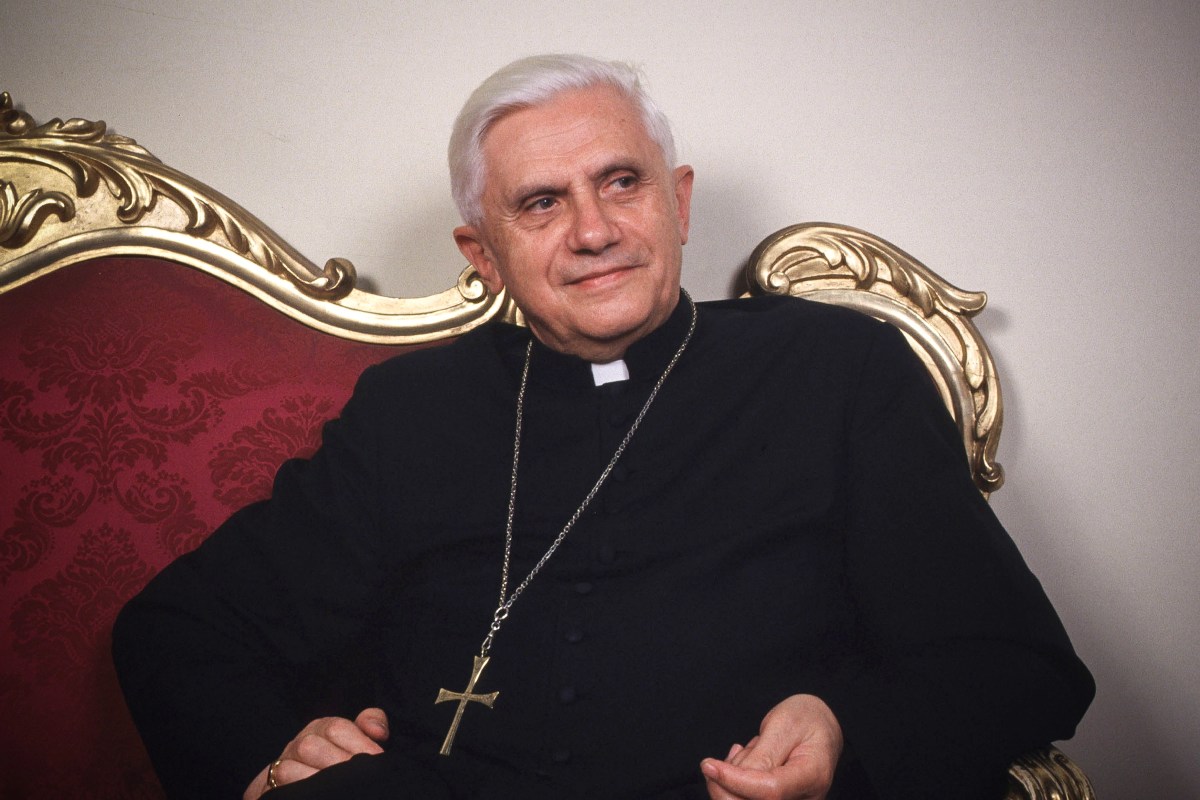
To this question, Joseph Ratzinger gives a rallying cry: faith, and the pastors and priests who embody it, not only remain relevant, in our current age they are essential.
The shadows are becoming longer, the loneliness— more profound, and the question of those who remain— more difficult: What sort of a future do they face? Does it still make sense to become a priest in a world in which only technological and social progress matters now? Does faith have a future? Is it worthwhile to stake one’s whole life on this card? Is priesthood not an outdated relic from the past that no one needs anymore, whereas all our efforts should be applied to eradicating poverty and furthering progress?
But is all that really the case? Or is mankind, by running the machine of progress faster and faster, not at the same time rushing into suicidal insanity? The famous French aviator Antoine de Saint- Exupéry once wrote in a letter to a general: “There is only one problem in the world. How can we restore to man a spiritual significance, a spiritual discontent; let something descend upon them like the dew of a Gregorian chant. Don’t you see, we cannot live any longer on refrigerators, politics, balance sheets, and crossword puzzles. We just cannot.” And in his book The Little Prince, he says: How uncomprehending the world of adults, of clever people is. By now we understand only machines, geography, and politics. But the really important things, the light, the clouds, heaven and its stars, we no longer understand. And the great Russian author Solzhenitsyn records the cry of distress of a Communist who landed in Stalin’s prisons: We could use cathedrals in Russia again and men whose pure life makes these cathedrals alive and turns them into a space for the soul. Indeed, man does not live by refrigerators and balance sheets alone. The more he tries to do that, the more desperate he becomes, the emptier his life is. We need even today, and today more than ever, people who do not sell luxury items and do not make political propaganda but, rather, ask about the soul of a man and help him not to lose his soul in the tumult of everyday routine. The scarcer priests become in the world of business and politics, the more we need them.
Joseph Ratzinger, Teaching and Learning the Love of God, p.207-8
 Deep Church